
What if the biggest threat to justice is our own tired minds?
Introduction: The Legal Marathon No One Talks About
It’s 4 PM in a courtroom. A judge stares at case files, their once-sharp analysis now dulled to a foggy haze. Across town, an advocate squints at contract clauses, struggling to maintain focus as important details blur together.
Sound familiar? If you work in law, you’ve experienced this phenomenon: decision fatigue. It’s the silent drain that affects verdicts, settlements, and ethical choices in ways we rarely acknowledge. Every ruling made, every contract reviewed, every argument constructed gradually depletes our mental resources.

But what if technology could step in when our minds grow weary? What if it could catch the mistakes tired eyes miss and help ensure that life-changing legal decisions are made with consistent clarity? Research confirms that decision fatigue is real, measurable, and—importantly—addressable. We no longer need to accept it as an inevitable part of legal work.
This is not just a Western phenomenon—from Delhi to Dublin, Tokyo to Toronto, the human brain operates under the same constraints. Legal systems may differ, but cognitive limits are universal, affecting barristers in the UK, abogados in Spain, and advocates throughout the Global South equally.
I. Why the Legal Mind Wears Out
The Neuroscience of Legal Fatigue
Think of your prefrontal cortex as a judge handling an endless docket. Each decision depletes its resources, leading to slower thinking, impaired memory, and increasing reliance on mental shortcuts. Even brilliant legal minds become vulnerable to this cognitive decline.
What’s happening in your brain?
- Glucose depletion: Your prefrontal cortex burns through glucose rapidly during complex legal reasoning (Prefrontal Glucose Metabolism – Cambridge)
- Glutamate buildup: This neurotransmitter accumulates during intense cognitive work, contributing to mental exhaustion (Cognitive Fatigue & Glutamate – Paris Brain Institute)
- Dopamine decline: The brain’s motivation chemical gradually fades, making even routine decisions feel exhausting (Dopamine & Decision-Making – Cleveland Clinic)
- Cortisol elevation: Stress hormones disrupt rational thinking, pushing decisions toward either excessive caution or impulsivity (Chronic Stress & Cortisol – Mayo Clinic)
- Neural network fatigue: Repeated activation of the same neural pathways leads to diminishing returns in processing efficiency.

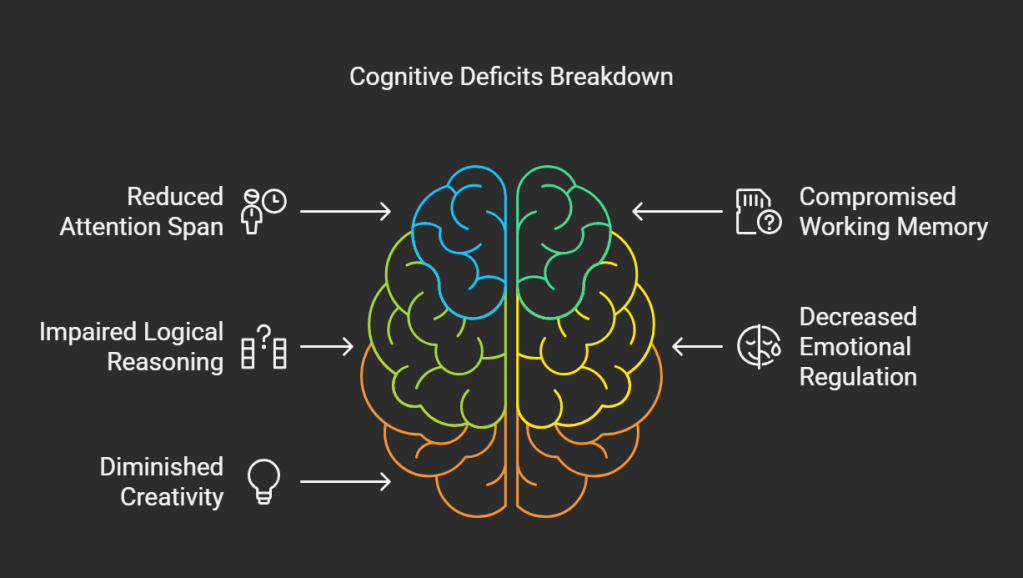
These neurological changes aren’t merely theoretical—they manifest in measurable cognitive deficits, including:
- Reduced attention span
- Compromised working memory
- Impaired logical reasoning
- Decreased emotional regulation
- Diminished creativity in legal problem-solving
Real-World Consequences
Judges and Time-of-Day Effects: A landmark Israeli study revealed that judges granted parole more frequently in the morning but became increasingly strict as the day progressed. As mental resources depleted, the default choice became denial. Similar patterns have been observed in immigration courts in the United States and commercial courts in Singapore.

Advocates and Accuracy Decline: Ever found yourself reading the same paragraph multiple times? Fatigued advocates misinterpret clauses, miss critical evidence, and let significant errors pass undetected.
Negotiation Fatigue: A mentally exhausted advocate might accept a suboptimal settlement simply to conclude a matter—or reject a fair offer because their risk assessment abilities have become compromised. This affects everything from corporate mergers to criminal plea bargains.
Ethical Compromises: The same advocate who would never consider shortcuts in the morning might find ways to justify them by evening (Ethics & Decision Fatigue – NIH). This gradual ethical erosion represents perhaps the most insidious effect of decision fatigue.
II. The Ripple Effect: When Fatigue Influences Justice
This isn’t just about individual performance—it’s about systemic integrity. A legal system where crucial decisions occur under mental exhaustion inevitably produces inconsistency, bias, and error.
Harsher Sentencing Late in Day: Research demonstrates that rulings become notably more severe as mental fatigue accumulates, often resulting in stricter sentences or denied appeals.
Increased Appeals and Reversals: Fatigued judges more frequently misinterpret complex cases, leading to higher rates of appeals and overturned decisions. This creates a cascade of inefficiency throughout the legal system, burdening courts and increasing costs for all parties.
Missed Legal Strategies: An advocate drained from consecutive cases might fail to recognize a pivotal approach that could transform their client’s outcome. This is particularly problematic in public defense systems worldwide, where caseloads often exceed reasonable limits.
Disproportionate Impact on Vulnerable Populations: Those who cannot afford private legal representation often receive time-limited attention from overworked public advocates, compounding existing inequalities in legal systems globally.
Economic Costs: The financial impact of fatigue-induced legal errors is staggering—from the direct costs of appeals and retrials to the broader economic consequences of delayed justice and erroneous rulings in commercial disputes.
III. Beyond the Courtroom: Legal Fatigue Across Practice Areas
Decision fatigue doesn’t just affect criminal proceedings—it permeates every aspect of legal practice:
Corporate Law: Fatigued corporate advocates reviewing complex merger agreements may miss critical liability clauses, potentially costing clients millions. During the intensive due diligence phase of M&A transactions, cognitive performance might dip after 10-12 hours, yet work often continues uninterrupted for days.

Family Law: Child custody decisions require exceptional judgment and emotional intelligence—precisely the qualities that diminish with fatigue.
Intellectual Property: Patent advocates operating under fatigue may miss prior art or fail to adequately define the scope of protection, potentially undermining years of client innovation.
Administrative Law: Regulatory advocates often face mountains of documentation with critical details buried within. As cognitive resources deplete, the quality of regulatory compliance advice deteriorates, exposing clients to significant risk.
IV. How Technology Can Help Legal Minds Stay Sharp
1. AI-Powered Decision Support: Less Noise, More Clarity
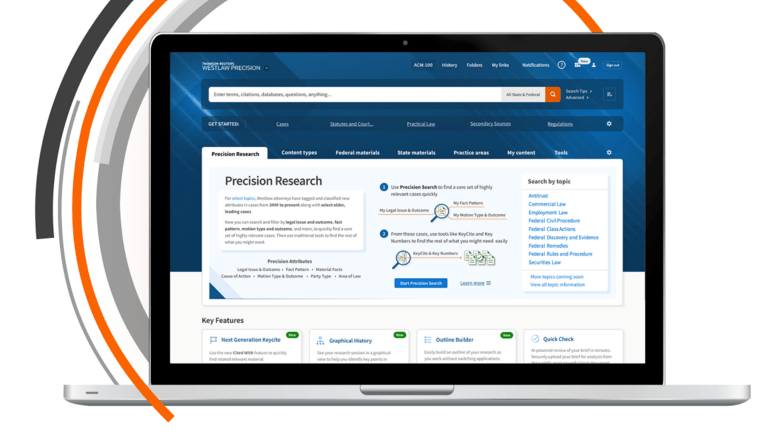
AI-Assisted Legal Research: Rather than sifting through hundreds of cases, tools like Westlaw AI, CoCounsel, and regional equivalents like Manupatra (India) or Juris (Brazil) instantly identify the most relevant precedents. This allows advocates to reserve cognitive resources for analysis rather than search.
Predictive Case Analytics: AI can optimize case scheduling—ensuring high-stakes decisions align with peak cognitive performance times. Some courts in Germany have begun experimenting with AI-informed docket management.
AI-Powered Document Review: Technology-Assisted Review (TAR) software can examine thousands of legal documents in minutes, reducing human error while freeing advocates for more strategic thinking. These systems can identify patterns and inconsistencies that fatigued human reviewers might miss.

Cognitive Load Distribution: Smart workflow systems can allocate tasks based on complexity and available mental resources, ensuring that high-stakes decisions aren’t made when cognitive reserves are depleted.
Multilingual Support: For international legal practices, AI translation and analysis tools can reduce the additional cognitive burden of working across multiple languages and legal systems. ElevenLabs recently announced its new offering, Scribe, a Automatic Speech Recognition (ASR) Model with very promising early results.
2. Fatigue Monitoring: Catching the Signs Before It’s Too Late
Wearable EEG Monitors: Smart devices can track cognitive load and indicate when legal professionals need breaks. The Israel-based brain.space has pioneered EEG headbands that provide real-time fatigue alerts.
AI-Based Break Reminders: Imagine a system that learns a judge’s decision patterns and workload, then suggests: “Judge X tends to slow down after 3 hours; insert a 15-minute recess here,” or “This complex evidentiary hearing should be in the 9 AM slot, while straightforward pleas can be handled after 4 PM.” Such AI-driven scheduling could ensure critical decisions are made when minds are sharp and enforce breaks to prevent burnout.
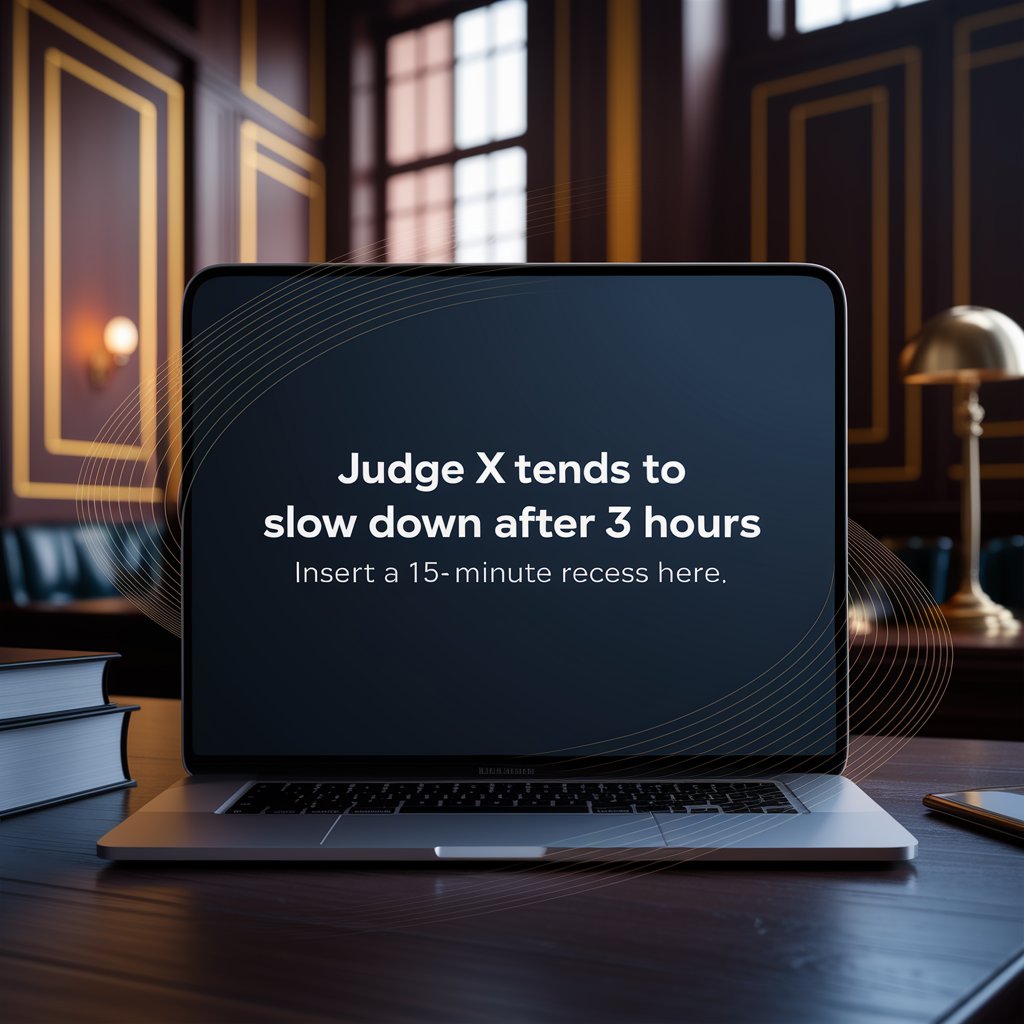
Chronobiology-Informed Scheduling: By identifying individual cognitive peak times, advocates can schedule their most demanding work during periods of maximum mental clarity.
Workplace Optimization: Circadian-friendly lighting and acoustic design can help maintain focus over extended periods. The Alabama State Bar offers insights to law firms on ways to redesign their spaces based on neuroscience principles.

3. Cognitive Enhancement Strategies
Microbreak Protocols: The Pomodoro method involves structured 5-minute breaks every 25 minutes which can significantly reduce cognitive decline during intense legal work.

Nutrition Interventions: Specialized meal plans designed to support brain function during periods of intense cognitive demand are being adopted by forward-thinking legal practices.

Meditation and Mindfulness Programs: Evidence-based mindfulness practices can improve cognitive resilience and decision quality. These programs are already been seen in the United States.
Physical Activity Integration: Even brief physical activity has been shown to refresh cognitive processing.
V. The Challenges: Can We Integrate Technology Without Losing Human Judgment?
1. AI and Judicial Independence
- Should judges disclose when AI influences their decisions?
- How do we ensure AI supports decision-making without replacing critical thinking?
- Does reliance on AI decision support create new vulnerabilities in the justice system?
- How do we address jurisdictional differences in attitudes toward technology in the courtroom?
2. Privacy & Ethical Considerations
- Will legal professionals accept biometric fatigue tracking, or will it feel invasive?
- How do we prevent AI from perpetuating biases that could worsen legal inequities?
- Who owns the data generated by cognitive monitoring systems?
- How do we balance individual privacy with institutional interests in performance optimization?
3. Resistance to Change
- The legal profession traditionally adopts technology slowly. Will firms invest in AI solutions, or continue relying on conventional approaches at the expense of efficiency?
- How can we overcome generational differences in technology adoption among legal professionals?
- What role should bar associations and law societies play in promoting cognitive sustainability?
- How can legal education evolve to prepare future advocates for technology-integrated practice?
4. Global Disparities in Access
- How do we ensure that cognitive support technologies don’t widen the gap between well-resourced and under-resourced legal systems?
- What adaptations are needed to make these technologies relevant across different legal traditions?
- Can international organizations play a role in democratizing access to legal cognitive support technology?
VI. The Road Ahead: A Legal System That Works With, Not Against, the Mind
Fatigue will always exist—but it can be managed effectively. The future of law lies not in pushing human cognition beyond its limits, but in creating systems that acknowledge and accommodate those limits.
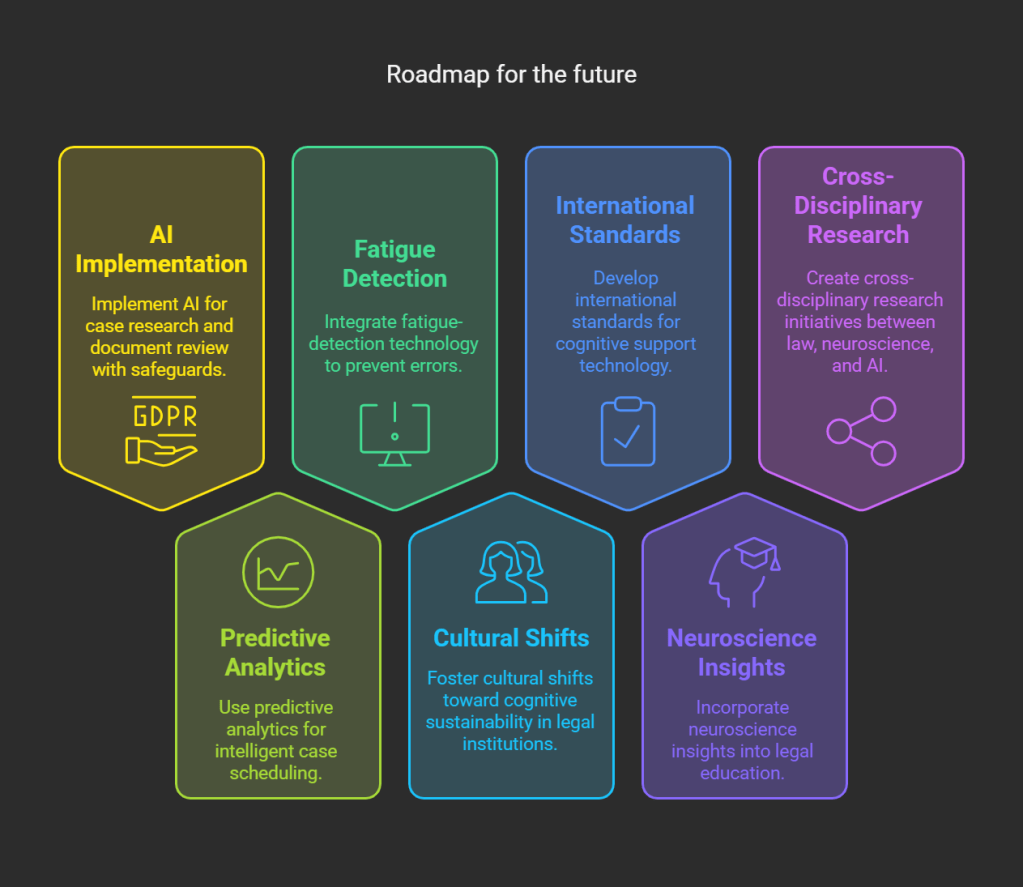
Steps forward:
- Implement AI for case research and document review with appropriate safeguards against over-reliance
- Use predictive analytics for intelligent case scheduling, optimizing decision timing
- Integrate fatigue-detection technology to prevent costly errors while respecting privacy
- Foster cultural shifts toward cognitive sustainability in legal institutions worldwide
- Develop international standards for cognitive support technology in legal contexts
- Incorporate neuroscience insights into legal education at all levels
- Create cross-disciplinary research initiatives between law, neuroscience, and AI
Smarter Law, Stronger Justice—It Starts with You
As a legal professional, your clarity of mind isn’t just important—it’s your most valuable asset. Every single day, your decisions shape lives, influence businesses, and uphold the principles society relies upon. You know better than anyone that the quality of these decisions matters deeply, not just professionally, but personally.
Imagine how powerful it would feel to approach every decision with complete mental clarity—free from exhaustion, overwhelm, and uncertainty. By combining insights from neuroscience and cutting-edge technology, you have the opportunity to not only enhance your practice but transform the very nature of justice itself.
The stakes couldn’t be higher, and the responsibility rests with you—with each of us—to ensure that justice isn’t compromised by fatigue or burnout. Your clients trust you, society depends on you, and you owe it to yourself to protect your greatest resource: a clear and resilient mind.
Because justice isn’t simply about understanding the law—it’s about your ability, clarity, and strength to apply it effectively and compassionately. Embrace this vision, and together we’ll build a smarter, fairer, stronger justice system—one clear decision at a time.
Happy week!
 Bytes of Justice
Leave a comment